Keep up with

HHO News

Category filter:AllAnnouncementsCancer TreatmentEducationalEventsLifestylePressPreventionSuccess Stories
No more posts


November 15, 2022 Press

Great physicians don’t just provide medical care; they transform lives. Hunterdon Hematology Oncology proudly recognizes Dr. Kenneth Blankstein and Dr. Myron Bednar for once again being named Jersey Choice Top Doctors for 2022 by New Jersey Monthly Magazine.

This esteemed recognition is awarded through a comprehensive peer-review process involving thousands of medical professionals throughout New Jersey. To receive this honor multiple times demonstrates a consistent standard of excellence, deep compassion, and trusted leadership within the medical community.

Drs. Blankstein and Bednar represent the very best in oncology care, ensuring patients receive innovative treatments with personal compassion, always close to home. Their recognition as top physicians inspires all of us at Hunterdon Hematology Oncology to continue pursuing excellence and pushing forward the boundaries of cancer care.

We proudly celebrate their remarkable achievement and the ongoing impact they make in our community.


November 5, 2022 Press

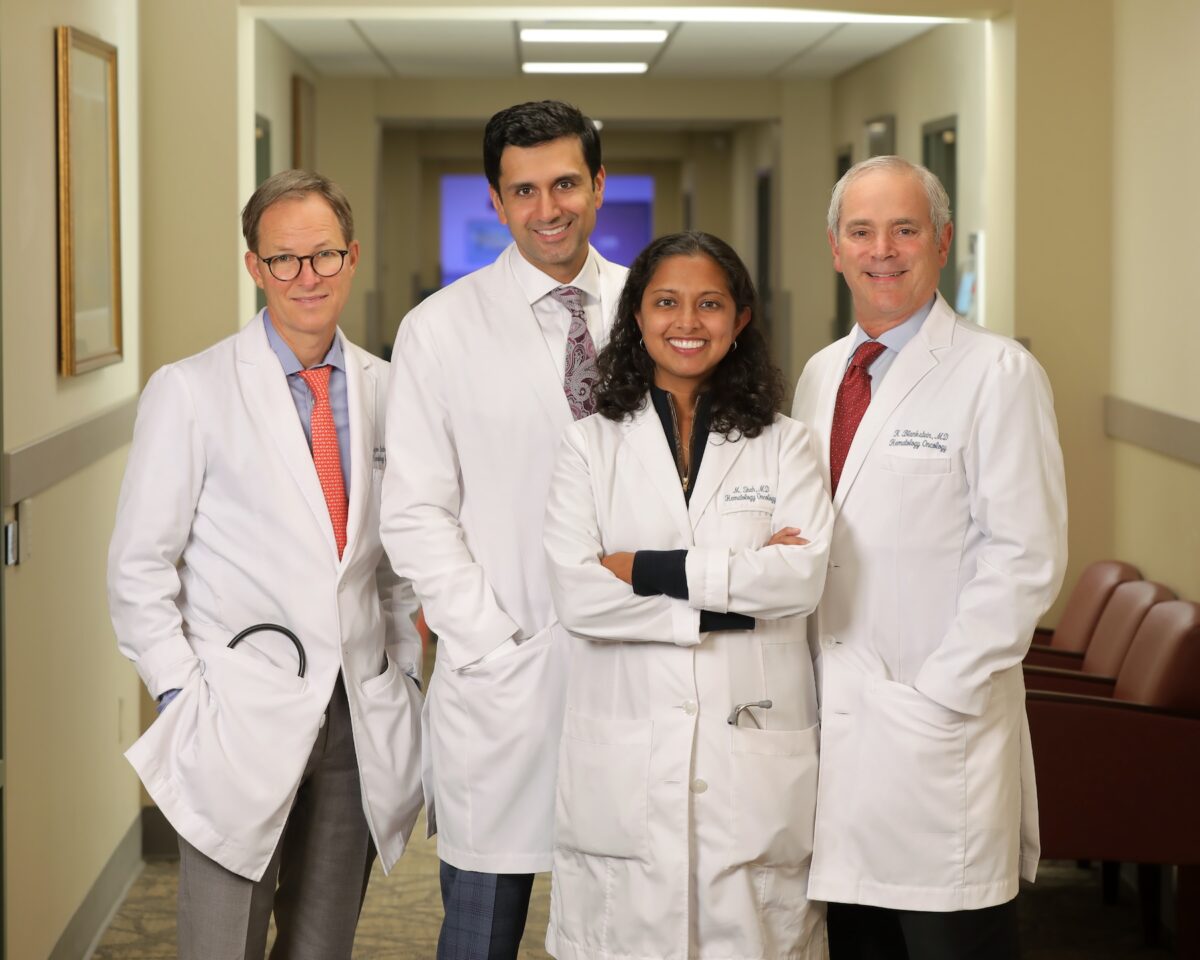
At Hunterdon Hematology Oncology (HHO), our team consistently strives to set new standards in cancer care. We are thrilled to celebrate the outstanding recognition of our physicians—Drs. Kenneth Blankstein, Myron Bednar, Megha Shah, Waqas Rehman, and Swee Ngeow—as NJ Top Docs for 2023.

Located in Flemington, NJ, within the Hunterdon Regional Cancer Center, our specialists offer cutting-edge treatments, personalized care, and comprehensive patient support. Their recognition as NJ Top Docs highlights our physicians’ exceptional commitment to clinical excellence and patient-centered care.

Learn more about these remarkable doctors and their approaches to advanced oncology care:

Check out the NJ Top Docs feature for Hunterdon Hematology Oncology in the current issue of Healthy Living Magazine


October 15, 2022 Press

Hunterdon Hematology Oncology is honored to announce that our dedicated physicians, Dr. Kenneth Blankstein and Dr. Myron Bednar, have been recognized as Jersey Choice Top Doctors for 2022 by New Jersey Monthly Magazine.

What makes this award so meaningful?

It means that among thousands of New Jersey doctors, Drs. Blankstein and Bednar have earned the respect and trust of their colleagues, who selected them as physicians they would choose to care for their own loved ones. This prestigious acknowledgment underscores their exceptional skill, compassionate care, and dedication to patient well-being.

Choosing Hunterdon Hematology Oncology means choosing doctors who continually strive for excellence and innovation, bringing world-class cancer care right to your community.

Congratulations again to Dr. Blankstein and Dr. Bednar—we celebrate your continued commitment to exceptional patient care!


September 15, 2022 Announcements

Hunterdon Hematology Oncology is delighted to announce that Dr. Kenneth Blankstein and Dr. Myron Bednar have once again been recognized as Jersey Choice Top Doctors for 2022 by New Jersey Monthly Magazine. This annual award reflects their ongoing dedication to delivering the highest quality of cancer care and treatment to our community.


The Jersey Choice Top Doctors awards are based on peer recommendations gathered through an extensive survey involving over 20,000 New Jersey physicians. Each nominated doctor is carefully vetted by a panel of esteemed previous award winners, ensuring that the selected doctors truly represent excellence and trustworthiness in healthcare.

“We are proud to have Dr. Blankstein and Dr. Bednar as part of our outstanding team,” said the team at Hunterdon Hematology Oncology. “Their continuous recognition speaks volumes about their unwavering commitment and exceptional patient care.”

Congratulations to our esteemed physicians on their remarkable achievement!

.     


TopDocs_copy2-1200x960.jpeg

September 5, 2022 Announcements

Hunterdon Hematology Oncology (HHO) proudly announces that our esteemed physicians—Dr. Kenneth Blankstein, Dr. Myron Bednar, Dr. Megha Shah, Dr. Waqas Rehman, and Dr. Swee Ngeow—have been named NJ Top Docs for 2023. This prestigious recognition celebrates their dedication to delivering exceptional cancer care, innovative therapies, and compassionate patient support within the community.

NJ Top Docs conducts a rigorous selection process, recognizing healthcare professionals who demonstrate clinical excellence, patient satisfaction, and leadership in medical innovation. HHO’s physicians continue to exemplify these standards through their outstanding work and commitment.

Explore each physician’s accomplishments on their NJ Top Docs profiles:


BlogImage_48.jpeg

August 1, 2022 Cancer Treatment

Multiple myeloma is a form of cancer that affects your blood. This disease presents itself in various ways, from bone pain to mental fog. Knowing the symptoms is one of the best ways to catch the disease early on, making it easier to diagnose and treat.

At Hunterdon Oncology and Hematology, LLC, our team of renowned experts helps you when you’re suffering from a blood disorder or cancer. Leading our team are five hematology and oncology specialists. Our team offers cutting-edge treatments when you find yourself with multiple myeloma.

What is multiple myeloma?

Multiple myeloma is a type of cancer that affects the plasma cells in your blood. These cells are a type of white blood cell, and they’re an important part of your immune system.

Your plasma cells help your body fight off foreign invaders, such as bacteria or viruses that could harm you. They do this by producing antibodies, which are able to detect and eliminate most pathogens that get into your body.

Multiple myeloma happens when your plasma cells mutate into cancerous cells. These cells then migrate into your bone marrow, where they clump together and push out your healthy plasma cells.

These cancerous plasma cells then make abnormal proteins instead of antibodies, which leads to complications and uncomfortable symptoms. Multiple myeloma is a rare form of cancer, but it’s just as dangerous as any other form of the disease.

8 common symptoms of multiple myeloma

In the early stages of multiple myeloma, you may not have any symptoms at all. However, as the diseased plasma cells begin to accumulate in your bone marrow, you may suffer from numerous symptoms.

The symptoms you experience depend on how advanced the disease is. Eight of the most common symptoms of multiple myeloma include:

  1. Bone pain
  2. Weight loss
  3. Excessive thirst
  4. Extreme fatigue
  5. Brain fog
  6. Nausea
  7. Constipation
  8. Frequent infections

You may also notice that you’re bleeding more easily than normal, or bruising frequently. The decrease in healthy plasma cells prevents production of adequate platelets in your blood. Platelets are a vital component of blood clotting, which is why their absence makes you bleed more easily.

You may experience all of these symptoms or only a few. It depends on how much bone marrow is affected by the cancerous plasma cells and in which parts of your body.

When to seek treatment

It’s hard to believe, but you may not actually need treatment right away with multiple myeloma. For instance, if the disease is moving slowly and you don’t have many symptoms, our team simply recommends monitoring you to evaluate your condition.

If you’re exhibiting signs and symptoms of multiple myeloma, you should seek treatment from our team as soon as possible. At our facility, our team of oncology specialists evaluates your symptoms and uses diagnostic tools like lab testing or a bone marrow biopsy.

The team offers several treatments based on the severity of your disease. They may include chemotherapy, radiation, or immunotherapy. They also provide corticosteroids and stem cell therapy or bone marrow transplants to ease your symptoms and control multiple myeloma.

If you’re exhibiting signs of multiple myeloma, don’t hesitate to call our office in Flemington, New Jersey at 908-788-6461, or schedule an appointment online with one of our expert doctors today.



BlogImage_47.png

July 1, 2022 Educational

When you have cancer, immunotherapy is one of the cutting-edge treatment options you have. There are many different forms of immunotherapy, and each one works to find invasive cancer cells and destroy them. Each form of immunotherapy can help different types of cancer.

At Hunterdon Oncology and Hematology, our expert team of five oncologists and hematologists offers state-of-the-art treatments for just about every form of cancer. The team is proud to provide immunotherapy as an option for many of our cancer patients who are looking for hope during their fight with cancer.

What is immunotherapy?

Immunotherapy is a modern technology that uses your immune system to fight off certain types of cancer and cancer cells. It can either boost the overall health of your immune system or help it work more efficiently.

Immunotherapy has been used to treat various types of cancer. The team at Hunterdon Oncology and Hematology use this form of therapy to treat cancers such as:

  • Lymphoma
  • Liver cancer
  • Stomach cancer
  • Cervical cancer
  • Bladder cancer

It’s also used for head and neck cancers, along with colon cancer and prostate cancer. While immunotherapy is a very versatile treatment, it’s not for everyone. Our team helps you determine if this is a viable treatment option for your specific condition.

What are the different types of immunotherapy?

There are many forms of immunotherapy, each of which works differently to enhance your immune system’s ability to seek out and destroy cancer cells. The forms of immunotherapy our team offers include:

T-cell transfer therapy

This form of immunotherapy helps your T-cells find and kill cancer cells more easily. Our doctors extract powerful immune cells that are attached to your tumor or cancer cells. They then take them to the lab, and find the strongest T-cells. The team multiplies these cells in the lab, and injects them back into the tumor to destroy it.

Monoclonal antibodies

Antibodies are made by your immune system to find and destroy antigens, or invaders in your body. Monoclonal antibodies are made in a lab, specifically for the antigens that are attached to cancer cells. Once they attach to the cancer antigens, your immune system can find and destroy those cells.

Immune checkpoint inhibitors

Immune checkpoints are in place to keep your immune system from attacking healthy cells when fighting off an invader. However, cancer cells sometimes turn these checkpoints on where they shouldn’t be, allowing the cells to spread.

Immune checkpoint inhibitors are treatments that turn off some of your immune system’s checkpoints, which allows it to seek out the cancer cells and destroy them.

Treatment vaccines

Cancer vaccines are similar to the other vaccines you receive for things like the flu or tetanus, which helps prevent these illnesses. Treatment vaccines use proteins from cancer cells or dead cancer cells to trigger an immune response from your body.

Immune system modulators

This form of immunotherapy basically gives your immune system a large boost. This works, because a strong immune system works better to fight off invaders, such as cancer cells. Examples of immune system modulators or interleukins and interferons.

Each form of immunotherapy works differently on your body to fight off tumors or cancer cells. The specific type of immunotherapy you need depends on your overall health, the type of cancer you have, and what other treatments you’ve tried.

Is everyone a candidate for immunotherapy?

Immunotherapy is a modern treatment option for those needing new hope in their cancer treatment. However, it’s not made for every case of cancer. You may be considered for immunotherapy if you have:

  • Advanced cancer
  • Exhausted other treatment options
  • Non-small cell lung cancer
  • Biomarkers positive for PD-L1
  • High tumor mutational burden
  • High microsatellite instability

There are a lot of up-and-coming cancer treatments, many of which our team offers to you. If you’re struggling with cancer, the team at Hunterdon Oncology and Hematology provides expert immunotherapy consults to determine what the best course of treatment is for your type and stage of cancer.

If you’d like to learn more about how immunotherapy can help you, don’t hesitate to call our office in Flemington, New Jersey at 908-788-6461, or schedule an appointment online with one of our expert doctors today.


BlogImage_46.jpeg

June 1, 2022 Cancer Treatment

When you’re diagnosed with cancer, there are a number of treatments available. Among the most common treatments is chemotherapy, used for a variety of cancers at many different stages of the disease. Preparing for chemotherapy is vital to getting through these treatments successfully.

At Hunterdon Oncology and Hematology, our team specializes in a variety of cancer treatments, including chemotherapy. Leading our team are five expertly trained oncologists and hematologists, who help you understand your cancer and get you the advanced treatment you need to fight it.

What is chemotherapy?

Chemotherapy is a cancer treatment that uses very strong chemicals to kill cancer cells growing in your body. Many of the drugs used in chemotherapy are considered cytotoxic, which means they target and kill rapidly growing cancer cells.

There are many different drugs used in chemotherapy, some that have been around for a long time, and some that are newer. Chemotherapy can be used as the only form of treatment for your cancer, or it may be combined with other therapies like radiation to give you a better prognosis.

Chemotherapy works systemically — meaning it travels throughout your body, killing any cancer cells that have spread from the primary tumor. This is how chemotherapy differs from other treatments, such as radiation and immunotherapy.

Chemotherapy is delivered in several different ways, including through an IV infusion or in pill form. There are also chemotherapy creams that are applied topically, injections, and wafers that are placed in your body at the tumor site through surgery.

The way you receive chemotherapy is highly dependent on your specific type of cancer.

How to prepare for chemotherapy

Preparing for chemotherapy is half the battle. This form of treatment is daunting, and often leaves your body drained. However, by preparing ahead of time, you’ll be ready for the side effects when they hit, and your experience may be a little better than if you weren’t in the know.

Our team assists you on prep steps to take before you start chemotherapy. Some of the ways you can prepare include:

Bring entertainment

Chemotherapy sessions can be very long — several hours in some cases. Bring a laptop to watch a movie, or cards to play with your companion. This helps to pass the time and takes your focus off of the actual treatment.

See your dentist

Making sure your dental health is in check helps prevent complications from chemotherapy. You should see your dentist within six months of starting chemotherapy to ensure there are no infections in your mouth to worry about.

Pack a bag

Bring a bag along with things such as a blanket, water, and a small snack to help you through long chemo sessions. Bring anything that brings you comfort while you’re receiving the treatment.

Prepare some meals

You may not feel well after your chemotherapy session, so it’s important to meal prep ahead of time. This way, if you’re not feeling well enough to cook, you still have something to eat when you get home.

Pick up any medications

Get your home medications at your pharmacy before you begin your chemo. This ensures that you have all the medications you need available, since you’ll likely be wiped out from your session.

It’s also important that you bring someone along with you if you can. This person not only provides companionship, but also helps with any questions you may have or note taking you need during your chemotherapy session.

Why preparation is important

Your chemotherapy session may be anywhere from a few minutes to several hours, depending on your specific treatment plan. This takes a lot of time out of your day, and you might be tired afterwards.

Getting things in order before your chemotherapy session is important for a number of reasons. Because of the strength of the medications, you may experience a number of side effects that can affect you for a few days, which include:

  • Nausea or vomiting
  • Fatigue
  • Fever
  • Pain
  • Diarrhea or constipation
  • Mouth sores

These side effects don’t last forever, but can continue for the duration of your chemotherapy treatments. Getting prepared for this ahead of time helps you cut down on side effects, and gets your home ready if they do hit, so you’re comfortable.

Side effects aren’t the only reason why preparation is important. If you’re receiving chemotherapy, it’s likely a huge aspect of your treatment plan. Knowing what to expect and understanding the medications gets you mentally prepared to go through the rounds of treatment that you’ll need.

If you’re in need of chemotherapy, our team can help. Don’t hesitate to call our office in Flemington, New Jersey at 908-788-6461, or schedule an appointment online with one of our expert doctors today.


BlogImage_45.png

May 1, 2022 Educational

Bruising is common when you’ve suffered an injury. It’s essentially broken blood vessels beneath your skin, which leads to bleeding within the tissues. This leaves a blue or purple mark, which is the bruise. However, if you’re noticing bruises and aren’t sure where they came from, it could be a sign of a blood disorder.

At Hunterdon Oncology and Hematology, our team determines if your bruises are cause for concern. Our expert team is made up of five board-certified and experienced oncologists and hematologists. Together, they provide treatment for cancer and blood disorders.

What are blood disorders?

A blood disorder occurs when something prevents your blood cells from doing their assigned jobs. These disorders vary; some cause more bleeding than normal and others cause issues with blood clotting.

Blood disorders are often genetic, meaning you inherit them from a close relative. However, they also occur due to certain medications, nutritional deficiencies, or other diseases. In most instances, people with blood disorders live normal lives while managing the condition.

There are several different types of blood disorders, which are categorized by which part of your blood is affected. Three of the main categories of blood disorders include:

1. White blood cell disorders

If you’re healthy, your body produces billions of white blood cells every day. They’re mainly produced in your bone marrow, and they help fight off infection and disease.

Leukopenia is a blood disorder characterized by extremely low levels of white blood cells. This puts you at a high risk for infection. Leukocytosis involves having too many white blood cells.

2. Red blood cell disorders

Red blood cells are vital, because they transport oxygen throughout your body. With red blood cell disorders, some part of the cell isn’t functioning properly, which can lead to decreased oxygenation in your body. Examples of these blood disorders include sickle cell anemia and thalassemia.

3. Platelet disorders

Platelets are important because they play a huge role in the clotting cascade. This basically means they form clots when you’re injured to stop bleeding. These types of blood disorders aren’t common, but they cause problems with bleeding.

Is easy bruising a cause for concern?

Most bruising shouldn’t send up a red flag that there’s a problem, especially if you remember hitting the area on something. If your bruise seems to get better after a few days and is showing signs of healing, there also isn’t much need to worry.

If you’re noticing quite a few bruises that don’t seem to add up, you shouldn’t dismiss them right away. This is especially true if the bruises are on your face, abdomen, or back. These are unusual areas to get bruised without remembering the cause.

Bruising can happen for a number of reasons, including some blood disorders. The blood disorders that cause this problem include:

Von Willebrand disease

Von Willebrand is a specific protein in your blood that’s essential for clotting. The Von Willebrand protein attaches to platelets and helps them stick to each other to stop bleeding. Without the protein, or if it’s defective, you won’t clot as quickly, which can lead to easy bruising.

Hemophilia

Hemophilia is another blood disorder that’s caused by defective clotting in your blood. This disorder is inherited, and is caused by lower-than-normal levels of either factor VIII clotting factor or factor IX clotting factor.

Thrombocytopenia

This blood disorder happens when you don’t have enough platelets in your blood for clotting. If you have easy bruising that pops up more than usual, thrombocytopenia could be to blame.

When to seek treatment for bruising

Bruises that seem to pop up all over your body with no known cause should be a reason for concern. This is especially true if they don’t seem to be getting better on their own after more than a few days.

The team at Hunterdon Oncology and Hematology wants to see you if you have any of the following concerns:

  • Bruising continues to come back
  • No improvement in the bruising after a week
  • The bruise is extremely large
  • The bruises are unprovoked
  • Bruises are accompanied by unexplained nosebleeds

The good news is that blood disorders can be managed through a number of therapies and treatments. Our team bases your treatment on the specific type of blood disorder you have.

For clotting disorders, the best treatment is to replace the factors that are missing in your blood. You may need infusions of factor VIII or factor IX for hemophilia, or Desmopressin Acetate for Von Willebrand disease.

If you’re worried about bruising on your body, don’t hesitate to call our office in Flemington, New Jersey at 908-788-6461, or schedule an appointment online with one of our expert doctors today.


BlogImage_44.jpeg

April 1, 2022 Educational

Have you ever wondered where all of the cancer treatments that are available to you came from? All of these treatments were once a clinical trial, which allowed their effectiveness and safety to be determined on a small population. There are constantly new trials going on, and joining one can benefit you in a number of ways.

At Hunterdon Oncology and Hematology, the team helps you get the expert treatment you need when you’re suffering from cancer or blood disorders. Leading our team are five highly trained board-certified oncologists and hematologists who are happy to offer the latest clinical trials for a number of disorders.

What are clinical trials?

Clinical trials are basically research studies conducted on humans to determine the efficacy of a treatment or medical device. These studies are the main way researchers determine if a treatment is viable and safe to use in the general population.

However, clinical trials also go through several stages before the treatment is available to everyone. This not only ensures that the treatment is safe, but also that it’s effective for the condition included in the trial.

There are four official phases that every clinical trial needs to go through to become approved by the FDA. The first phase determines the safety and any side effects on a small group of people. The second phase involves more people, and aims to determine the effectiveness of the treatment, along with continuing to assess safety and side effects.

When the trial gets into stage three, it’s made available to a larger group of people, along with other populations. Dosages of a medication are also studied, along with combinations of the trial drug and other treatments. If the FDA determines that the trial has shown positive results, the treatment becomes approved for use.

Phase four happens after the FDA approves the medication or treatment in the trial. The effectiveness of the treatment, along with its safety, are still monitored on a much larger and more diverse population.

When to consider a clinical trial

Being a part of a clinical trial can be scary — but it can also open doors to treatments that could potentially change your life. But when should you consider joining one of these trials?

A good time to consider a clinical trial is when other treatments haven’t worked, and you don’t have other options. A clinical trial can give you the opportunity to try an up-and-coming treatment for your condition.

Sometimes, there aren’t any treatments available for a specific condition. A clinical trial gives you a chance at finding a viable treatment for your condition. It also gives you a chance to take your health into your own hands.

What are the benefits of a clinical trial?

There are a number of benefits when joining a clinical trial, but it’s important to weigh both the pros and cons before getting involved. Our team helps you find clinical trials that pertain to your condition and provide you with all the details to assist you with a decision.

Clinical trials offer many opportunities for a number of different cancer conditions. Some of the main benefits of joining one of these trials include:

Early access to the latest therapies

Clinical trials offer the most up-and-coming treatments that aren’t available to the public yet. If you join a clinical trial, you’ll get to experience the latest therapies and medications that could change the course of your cancer.

You get to help others

When you participate in a clinical trial, you have the opportunity to pave the way for future patients with the same medical problem. You’re a part of groundbreaking research that could provide a cure or effective therapy for others down the road.

More frequent checkups and care

You’re often more closely monitored when you participate in a clinical trial. This is because the research team needs to observe the way the medication or therapy is affecting your condition. This includes more frequent appointments and imaging studies, which can help to put your mind at ease.

Less cost to you

In most cases, you won’t have to pay for the drugs in your clinical trial. The team conducting the trial often covers the cost of the medication or therapy being tested. However, it’s important to remember that there could be other costs involved, such as travel or lodging, that you’ll need to cover.

If you’d like to learn more about participating in a clinical trial, call our office in Flemington, New Jersey at 908-788-6461, or schedule an appointment online with one of our expert doctors today.



About HHO


Hunterdon Hematology Oncology is a community oncology group, dedicated to fighting cancer in this community and across the region. Our Doctors, Physician’s Assistants and Nurses work tirelessly. They fight hard so that you can win.


Subscribe


Sign up for the HHO newsletter to stay up to date on the latest news within the practice and the community.


    © HHO 2022. All rights reserved. Designed by DRAW