

Keep up with

HHO News

Category filter:AllAnnouncementsCancer TreatmentEducationalEventsLifestylePressPreventionSuccess Stories
No more posts

BlogImage_43.jpeg

March 1, 2022 Educational

Clinical trials exist for many different types of medical treatments and products. These trials are a way for doctors and patients to test the most up-to-date and state-of-the-art treatments available for a disease. Cancer clinical trials are a way for you to participate in a study while possibly improving your condition.

At Hunterdon Oncology and Hematology, our team offers a variety of clinical trials for several different types of cancer. Our practice is led by five highly trained oncologists and hematologists. Our physicians are happy to help you get started in a clinical trial specific to your form of cancer if you qualify.

What are clinical trials?

Clinical trials are research studies that involve human participants and are designed to study the effects of treatments on a certain population. The goal of the clinical trial is to evaluate how effective the drug or treatment is on the participants’ specific condition and overall health.

Clinical trials involve volunteers, meaning you sign up on your own to participate. There are often certain criteria you have to meet to be a part of such a trial. These studies are designed to test a number of different interventions in medicine, including:

  • Medical devices
  • Radiology procedures
  • Medications
  • Surgical procedures

Biological procedures and cells are other types of treatments that are involved in clinical trials. Cancer research uses clinical trials to study the outcomes of new treatments on different types of cancer. This helps to determine if a medical treatment has positive outcomes for these individuals.

Why are clinical trials important?

Clinical trials are vital to the improvement of the healthcare system. These trials allow for possible improvements in treatments and therapies for thousands of different diseases, including cancer.

Without clinical trials, medicine wouldn’t be able to move forward, with new and improved treatment options. The trials allow for potential cures, and for an overall improved outcome of millions of patients across the country.

These trials also allow us to see if the benefits of a potential treatment outweigh the side effects or risks. The different phases of clinical trials determine the side effects among a large group of people, to see if the treatment is worth it in the end.

If you’re suffering from a specific type of cancer, a clinical trial could be a way for you to get a new type of treatment when others haven’t helped. It gives you a chance to get the newest treatments available when the trial is focused on your type of cancer.

The different phases of clinical trials

Clinical trials go through several different phases before the treatment can be considered for approval for large-scale use. Each phase uses volunteers to test out the treatment and to determine if it’s safe for use. The four phases that clinical trials go through include:

Phase 1

The first phase of a clinical trial is to ensure first and foremost that the drug or treatment is safe for humans. It allows the researchers to determine a safe dosage for medications, and to learn how the treatment works within your body. This phase also identifies any adverse effects, and only involves a small number of participants.

Phase 2

Once the drug or treatment is determined to be safe, it can move into phase two of the trial. This phase is similar to phase one, but it requires a larger number of participants. This helps to determine the adverse effects on a larger number of people, to determine if the treatment is viable.

Phase 3

After the second phase has been completed, and the treatment is still being considered for widespread use, phase three of the clinical trial begins. In this stage, the drug or treatment is studied on a much larger scale. It involves many more participants, and is conducted in other regions and other countries. This is often the phase that occurs right before the treatment is considered for approval.

Phase 4

This phase occurs after the treatment or drug has been approved for use by a governing body, such as the FDA. Even though it’s been approved for use, there still may be aspects that need to be studied on more people over a longer timeframe. It can involve thousands of participants, and allows for more research into important information that still needs to be learned about the treatment.

At our facility, our team offers a number of different clinical trials if you suffer from conditions such as multiple myeloma, myelofibrosis, and polycythemia vera. Our doctors help you figure out if a clinical trial could help you.

If you’re interested in learning more about clinical trials for your condition, call our office in Flemington, New Jersey at 908-788-6461, or schedule an appointment online with one of our expert doctors today.
NJTopDocs_stock_2-1200x798.jpeg

February 5, 2022 Announcements

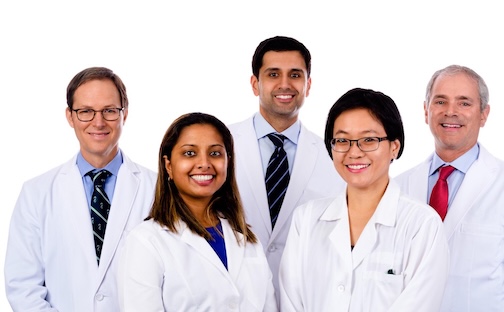
Hunterdon Hematology Oncology (HHO) proudly announces that three of our leading physicians—Dr. Myron Bednar, Dr. Kenneth B. Blankstein, and Dr. Swee Ngeow—have been honored as NJ Top Docs for 2022.

This prestigious award highlights their dedication to excellence in oncology care, innovative treatment approaches, and commitment to clinical research. Located conveniently at the Hunterdon Regional Cancer Center, our physicians provide advanced, compassionate care tailored to each patient’s unique needs.

At HHO, every patient receives comprehensive, personalized treatment complemented by robust support services, ensuring exceptional care close to home.

Meet our honored hematology oncology physicians and explore their profiles:


BlogImage_42.jpeg

February 1, 2022 Educational

Many factors increase your risks for the numerous different types of cancer — but did you know that your oral hygiene is one of them? Head and neck cancers encompass a number of different conditions that affect your nose, mouth, and throat. So it’s no surprise that bad oral habits can increase your risk of these cancers.

At Hunterdon Oncology and Hematology, our team specializes in diagnosing and treating the numerous types of cancer and blood disorders. At the forefront of our team are five expertly trained oncologists and hematologists, who offer state-of-the-art treatments and therapies when you’re suffering from cancer.

Types of head and neck cancers

Head and neck cancers are conditions that affect the mucosal linings in your mouth and throat. Your voice box and sinuses may also be affected. The mucosal linings are often affected by squamous cell carcinomas, which are cancers of that specific cell type.

Less commonly, cancers may affect your salivary glands or the nerves and muscles in your neck. While these types of cancers exist, they’re rare compared to those from squamous cell carcinoma.

Some of the many different kinds of cancers that affect your head and neck include:

  • Lip cancer
  • Oropharyngeal cancer
  • Nasopharyngeal cancer
  • Laryngeal cancer
  • Paranasal sinus cancer
  • Hypopharyngeal cancer

Many of these types of cancer are related to the use of tobacco products and excessive alcohol consumption. However, there are other risk factors as well, one of which is poor oral hygiene.

Your oral hygiene can be related to cancer

Believe it or not, your oral hygiene affects more than just your teeth and gums. In fact, bad oral hygiene is related to a number of health conditions, including head and neck cancers. But what exactly is the reason for this?

Poor dental hygiene results in the buildup of plaque and tartar on your teeth. If left untreated by a dental professional, they can contribute to gum disease. Gingivitis and periodontitis are both types of gum disease, with the latter being more severe.

Gum disease leads to pocketing around your teeth that fill with plaque and bacteria, specifically Porphyromonas gingivalis. This bacterium has been found in large amounts within tumors of the head and neck.

But what types of oral hygiene practices put you at a higher risk for cancer? If you have any of the following, your risk of head and neck cancers may be increased:

Lack of regular visits to your dentist also increases your risk of head and neck cancers. This is because you miss out on the screening and cleaning of your gums and teeth. This helps to eliminate the harmful bacteria that can lurk in your gums.

What you can do to decrease your risk

Unfortunately, cancer can’t always be prevented, especially if you have a familial history of it. However, you can change some of the risk factors that make it more likely you’ll end up with head or neck cancers.

Oral hygiene is one of the factors you’re able to control. This means taking your time to properly brush and floss. It also means regular trips to the dentist to make sure you don’t have gum disease or any other problems that could provoke cancer cells to form.

Also, there aren’t any real screening tests for many head and neck cancers, but dentists do check for signs of a problem. During your regular dental visits, most providers check in your oral cavity for signs that might point to suspicious cells or signs of cancer.

Our team of experts helps you understand your risk for head and neck cancers, so you’re able to get ahead of the problem. Along with proper oral hygiene, our doctors get you the treatment you need if you’re at an increased risk for these forms of cancer.

If you’ve been diagnosed with a head or neck cancer, or would like more information, call our office in Flemington, New Jersey at 908-788-6461, or schedule an appointment online with one of our amazing doctors today.


BlogImage_41.jpeg

January 1, 2022 Educational

Iron is an essential nutrient your body needs to function properly. You may know it best for its role in producing hemoglobin, which helps transport oxygen throughout your body. It’s also needed for the overall health of your cells, including your hair and nails. So it’s no surprise that when your iron levels are low, you have a condition known as iron-deficiency anemia.

At Hunterdon Oncology and Hematology, our team specializes in many different conditions, including the various forms of anemia. Our practice is made up of five expert oncologists and hematologists. Our hematologists help you determine if anemia is what’s causing uncomfortable symptoms.

Causes of iron-deficiency anemia

Anemia is a medical condition that happens when you don’t have an adequate amount of healthy red blood cells in your system. While there are many different kinds of anemia, iron-deficiency anemia manifests when you’re lacking the iron to produce hemoglobin.

Hemoglobin is the substance that not only gives your blood its red hue, but also allows your red blood cells to carry and transport oxygen to the other areas in your body. When you’re iron-deficient, it leads to anemia over time.

There are several different reasons you may be deficient in iron. For instance, you might not be getting enough elemental iron in your diet, or you may be losing iron quicker than you can replace it. Other reasons for iron-deficiency anemia include:

  • Pregnancy
  • Loss of blood
  • Problems absorbing iron

Any of these problems can lead to a lack of iron, and, as a result, a lack of hemoglobin. When you don’t have enough oxygen being transported due to anemia, it can lead to a number of unpleasant symptoms.

Symptoms you may experience

Symptoms of iron-deficiency anemia vary from person-to-person. They also depend on the severity of your condition. They include:

  • Pale skin
  • Weakness
  • Extreme fatigue
  • Brittle nails
  • Dizziness
  • Headache
  • Cold feet or hands

When you’re suffering from iron-deficiency anemia, you may also experience cardiac symptoms, such as pain in your chest or an abnormally fast heartbeat.

When you’re experiencing any of these signs, there’s a chance it could be iron-deficiency anemia. To prevent further complications and worsening symptoms, it’s vital you see our team as soon as possible so they can begin much-needed treatment.

How is iron-deficiency anemia treated?

Depending on the cause of your iron-deficiency anemia, you may be able to replenish your iron through changes in your diet, or you may need to take medicinal iron. Our team helps you figure out what’s causing your anemia, so you can get the treatment you need.

There are several ways to get more iron into your system to correct anemia, and they include:

Diet

One of the easiest ways you can restore iron in your body is by adding iron-rich foods into your meals. This includes beef and organ meats, along with broccoli, spinach, and legumes. Chicken and some types of fish are also rich in iron.

Oral iron

While over-the-counter supplementation may be your go-to, it’s usually not enough when it comes to iron-deficiency anemia. Our providers may have to prescribe you medicinal iron to get your levels back up to where they should be. The traditional dose for this type of iron is 150-200 milligrams of iron a day until your levels are back to normal.

IV iron

In the case that your iron-deficiency anemia is severe, or you’re unable to tolerate oral iron pills, our team recommends iron by way of IV infusion. There are several forms of IV iron therapy, and our providers help you figure out which is best for you. This is also the method of choice if you have trouble absorbing medications via your gastrointestinal tract.

Blood transfusions

Unfortunately, blood transfusions aren’t able to fully correct your iron deficiency. However, if your anemia is severe enough that you’re experiencing chest pain or you’re currently bleeding, it may be necessary to replace the deficient red blood cells. You’ll see a temporary improvement until our team can address the cause of your anemia.

If you’re concerned you have iron-deficiency anemia, don’t hesitate to call our office in Flemington, New Jersey at 908-788-6461, or schedule an appointment online with one of our amazing doctors today.


BlogImage_40.jpeg

December 1, 2021 Educational

Your skin is something you don’t always include when you think about your health. However, years of sun damage and wear-and-tear can do a number on your largest organ. In fact, in some cases, it can lead to skin cancer. But did you know that seemingly harmless moles can also contribute to melanoma, a form of skin cancer?

At Hunterdon Oncology and Hematology, our team of experts helps you determine your risk for melanoma. Leading our team are five oncology and hematology specialists, who not only treat melanoma, but other types of skin cancer as well.

What is melanoma?

Melanoma is a type of skin cancer that’s typically caused by overexposure to harmful UV rays from the sun. It’s a very aggressive form of cancer and can be deadly if it’s not found and treated early.

Melanoma gets its name because this type of cancer originates in your melanocytes, cells that make melanin, which gives your skin its pigment. Melanoma is most often found on areas of your skin that are exposed to sunlight, including:

  • Legs
  • Arms
  • Face
  • Back

Sometimes, it can even show up in areas that don’t see a lot of sun, like the bottoms of your feet and your fingernail beds. In rare cases, this type of cancer may also be found in your eyes, nose, or throat.

So are you at risk for melanoma? If you use tanning beds or are regularly exposed to sunlight, you’re at a higher risk for this disease. There are other risk factors as well, some of which include:

  • Fair skin
  • Frequent sunburn
  • Family history
  • Weak immune system

Another risk factor for melanoma is a large number of ordinary-looking moles on your body. If you have more than 50 moles, you’re at a higher risk for developing melanoma.

How moles and skin cancer are linked

Normally, moles on their own aren’t dangerous. Moles are simply a cluster of melanocytes that grow together to form a darker pigmented spot on your skin. Most adults have some moles, which are usually found in areas that get sun exposure.

A normal, noncancerous mole is about the size of a pencil eraser or smaller, and is oval or round in shape. It also has a regular edge and is smooth the whole way around.

So how are moles and melanoma linked? If your moles are regularly shaped, you don’t have much to worry about. However, in some cases, you may have something called a dysplastic nevus, which is basically an irregular-looking mole.

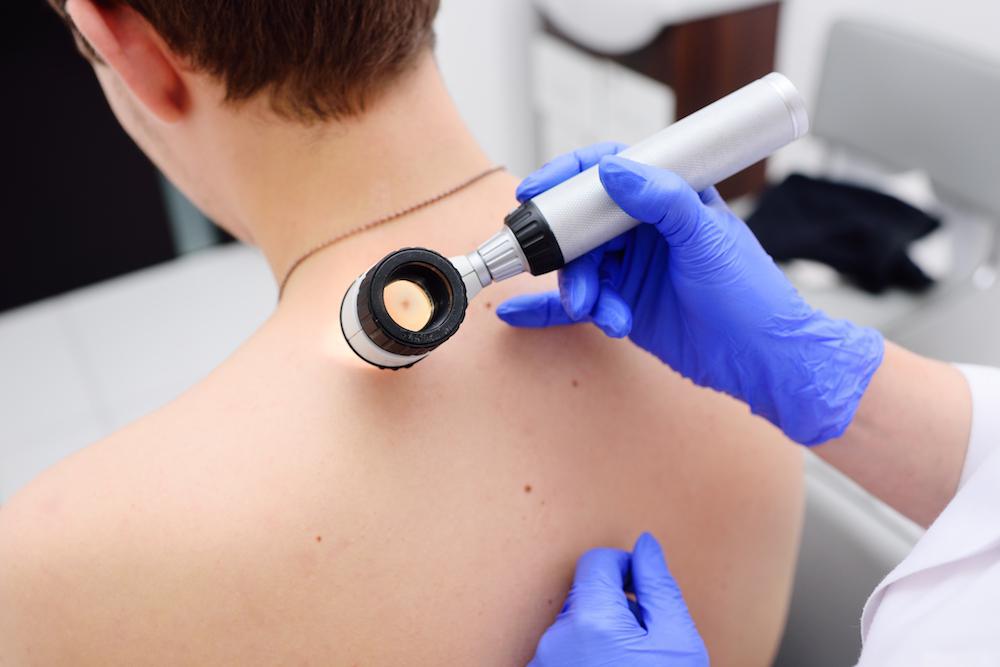
Dysplastic nevi aren’t usually cancerous, but you should keep a close eye on them to make sure they don’t change. To avoid finding melanoma too late, be sure to check your moles at least once a month, and look for changes like:

  • Becomes itchy
  • Becomes scaly
  • Changes in size
  • Bleeds or oozes
  • Changes in shape
  • Changes in texture

Moles that become lumpy or hard to the touch are also a concern. If you have any moles that show signs of any of these changes, it’s important to contact our team for an evaluation. The earlier you find these changes, the earlier melanoma can be diagnosed and treated if that’s the case.

When it’s found early, before it has a chance to spread, melanoma is usually curable. The best way to stay ahead of melanoma is to avoid excess UV light exposure and to check your moles regularly to assess for changes.

If you have any moles that you’re worried about, please don’t hesitate to call our office in Flemington, New Jersey at 908-788-6461, or schedule an appointment online with one of our amazing doctors today.


November 5, 2021 Press

At Hunterdon Hematology Oncology (HHO), we are proud to celebrate the accomplishments of our exceptional physicians—Drs. Myron Bednar, Kenneth B. Blankstein, and Swee Ngeow—who have earned recognition as NJ Top Docs for 2022.

Our award-winning specialists are known for their dedication to providing personalized and innovative cancer treatments in a compassionate environment. Situated within the Hunterdon Regional Cancer Center in Flemington, NJ, HHO delivers advanced therapies and cutting-edge clinical research directly to our community.

Learn more about our recognized team of oncology experts:

Check out the NJ Top Docs feature for Hunterdon Hematology Oncology in the current issue of Healthy Living Magazine


BlogImage_39.jpeg

November 1, 2021 Educational

While many blood disorders are rare, there are some that are more common than you may think. When you hear blood disorder, you might immediately think of anemia or a clotting problem. Anemia, especially, is a common blood problem, but what about thalassemia?

Our team at Hunterdon Oncology and Hematology specializes in many different types of cancers and blood disorders, like thalassemia. Our team of doctors is made up of expert oncologists and hematologists, all who work to get you the treatment you need for your specific type of problem.

What exactly is thalassemia?

Thalassemia is a type of blood disorder that occurs when your body either doesn’t make enough hemoglobin or makes an inadequate form of hemoglobin. This blood disorder is inherited, meaning it’s passed down through families.

Hemoglobin is an essential protein in your red blood cells, because it has the ability to carry oxygen to all of the tissues and organs in your body. As you can imagine, if you don’t have enough of this protein, your tissues will become starved. There are two types of proteins in hemoglobin:

1. Alpha globin

Thalassemia related to alpha globin happens when there isn’t enough of the alpha globin protein, or the gene related to the alpha globin protein has mutated.

2. Beta globin

Thalassemia related to beta globin occurs when the beta protein has mutated or there isn’t enough of this specific protein.

If you’re born with either form of thalassemia, it could be further split into either thalassemia major or thalassemia minor. In order for you to inherit thalassemia major, both of your parents have the mutated gene, while with thalassemia minor, only one parent needs to carry the gene.

Thalassemia minor usually doesn’t exhibit symptoms, and you may only have smaller-than-normal red blood cells. Thalassemia major, on the other hand, can be more severe, including an enlarged heart.

Symptoms you could experience

The symptoms you experience with thalassemia greatly depend on the severity of your condition. Because thalassemia often leads to anemia, you may experience symptoms when you have moderate-to-severe anemia. If you have a less severe form of thalassemia, you may not have many symptoms at all.

Moderate-to-severe forms of thalassemia can lead to anemia. Because of the lack of hemoglobin and a decreased red blood cell count from anemia, thalassemia can cause several different symptoms in adults and children. Some of the most common signs and symptoms of thalassemia include:

  • Swelling in your abdomen
  • Pale skin
  • Yellow-tinted skin
  • Darker-than-normal urine
  • Extreme fatigue
  • Increased weakness

In children with thalassemia, you may notice they aren’t growing as quickly as they should be. This could lead to bone deformities, especially in facial bones. This happens because the body doesn’t grow as it should.

Serious problems related to untreated thalassemia include an enlarged heart or liver. This could lead to heart failure in some circumstances, if your condition isn’t treated properly. Thalassemia major also increases your risk of infections.

Treatment for thalassemia depends on the type of the disorder you have, and if you have symptoms or not. Mild forms of thalassemia may just require our team to monitor you and your blood over time. If you never get any symptoms, no other treatment may be necessary.

However, if you have a more severe form of the disease, you’ll likely need regular blood transfusions to make sure your body receives enough oxygenated blood. Our team may also recommend you take folate supplements regularly.

If you’re receiving regular blood transfusions, your iron levels may rise higher than they should. In this case, our team implements a therapy known as chelation therapy to get rid of the excess iron.

A bone marrow transplant is another way to treat thalassemia, especially in children. With treatments available, it’s important that you seek medical care from our doctors if you’ve been diagnosed with thalassemia.

If you think you may have a blood disorder, don’t hesitate to call our office in Flemington, New Jersey at 908-788-6461, or schedule an appointment online with one of our amazing doctors today.


BlogImage_38.jpeg

October 1, 2021 Cancer Treatment

Cancer is a disease that affects many different areas of your body, and sometimes requires very invasive and uncomfortable forms of treatment. One of the common types of cancer treatment is chemotherapy. If you’re familiar with this treatment, you might know that it often leads to hair loss — that is, until now.

At Hunterdon Oncology and Hematology, our team members treat many different types of cancer. Our practice consists of five specialists, all of whom are experts in oncology and hematology conditions and treatments. One of the very special treatments they offer is known as scalp cooling.

Why chemo causes hair loss

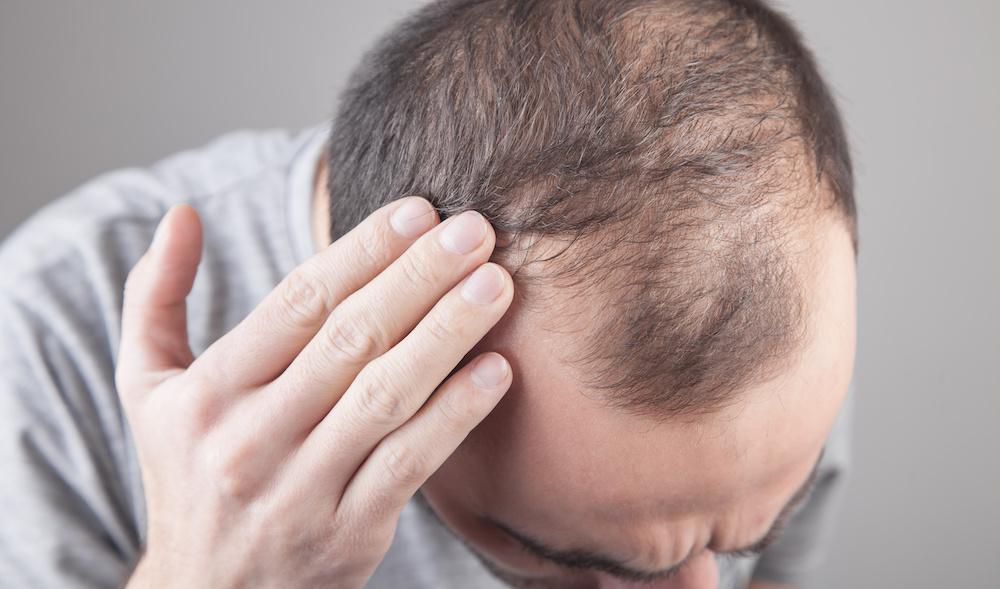
Your hair is something you might take for granted — that is, until you’re faced with cancer and chemotherapy. One of the best known side effects of this type of treatment is alopecia, or hair loss.

So why does chemotherapy lead to lost hair? You first have to understand that your hair is constantly growing, because it’s made of cells that multiply rapidly, which is why you need a haircut every few weeks.

Chemotherapy is a type of treatment that uses powerful drugs to attack cancer cells at the source. The problem is, the drugs also attack other cells that grow rapidly, including your hair cells.

After several treatments of chemotherapy, you may notice clumps of your hair falling out from your head. You may also lose hair in other areas of your body like your arms and legs.

How does scalp cooling therapy work?

In order for your hair to grow, you need an adequate blood supply to your hair follicles. The scalp cooling system uses scalp hypothermia to reduce and restrict blood flow to the hair follicles. This helps reduce hair loss, because the cells become less active without the proper amount of blood circulating to them, and therefore less attractive to the chemotherapy agents.

The cool temperatures also work to lessen the amount of chemotherapy medications that are able to reach the hair follicles. The medications are introduced into your bloodstream and run all throughout your body, wherever the blood takes them.

By reducing the amount of blood flow that gets to your scalp, you’re also reducing the amount of chemotherapy drugs that have access to your hair follicles. This, in turn, helps reduce the amount of hair you’ll lose during treatment.

The three stages of treatment

At Hunterdon Oncology and Hematology, our team uses the Paxman Scalp Cooling System to help you avoid hair loss during your treatment. This system works very well, and is implemented using three specific stages during chemotherapy. These stages include:

1. Pre-cooling stage

The first stage of the scalp cooling treatment starts 30 minutes before your chemotherapy treatment. However, if you have very thick hair, you’ll need to start the therapy 45 minutes before your chemo treatment.

2. Infusion cooling stage

The second phase of the scalp cooling treatment happens during your chemotherapy treatment. The length of this phase varies widely, as it depends on how long your chemotherapy session lasts.

3. Post-infusion cooling stage

The last stage of this therapy occurs after your chemotherapy session is finished. The cooling cap is left on for about 90-100 minutes after your treatment is finished. You may be moved to a different area after your treatment to undergo this last phase of the scalp cooling therapy.

After 90 or so minutes, the cap is removed. Before you get up and move around, you should allow your scalp temperature to adjust to the ambient temperature.

The great thing about our scalp cooling system is it’s very versatile — meaning you’re able to get up and walk around with it on, and even head to the restroom if you need to.

If you’re undergoing chemotherapy and are interested in learning more about our scalp cooling treatment, call our office in Flemington, New Jersey at 908-788-6461, or schedule an appointment online with one of our amazing doctors today.


TopDocs_copy3.jpeg

September 5, 2021 Announcements

Hunterdon Hematology Oncology (HHO) is honored to announce that our distinguished physicians—Dr. Myron Bednar, Dr. Kenneth B. Blankstein, and Dr. Swee Ngeow—have been recognized as NJ Top Docs for 2022. This esteemed acknowledgment highlights their commitment to excellence in patient care, advanced cancer treatments, and innovative clinical research.

Selected after an extensive review process by NJ Top Docs, our physicians exemplify clinical leadership and dedication to compassionate patient care. HHO is committed to delivering cutting-edge oncology services close to home for Hunterdon County and the surrounding region.

Learn more about our recognized physicians:


BlogImage_37.jpeg

September 1, 2021 Educational

Your immune system is an amazing component of your body. When you’re healthy, it fights off dangerous diseases and infections that would otherwise wreak havoc on your organs and tissues. However, sometimes your immune system is compromised — especially when you have cancer. Immunotherapy is a treatment that’s offered to help you fight cancer using your own immune system.

Cancer treatment is our specialty at Hunterdon Hematology Oncology. Our team consists of five expert oncologists and hematologists who are up-to-date on the latest and best treatments for your specific type of cancer.

What is immunotherapy?

There are many different types of cancer treatment, including chemotherapy and radiation. However, immunotherapy is different because it has the ability to boost your body’s natural defense against cancer — your immune system.

Immunotherapy is an umbrella term, meaning there are several different kinds of treatment. Each type works to strengthen some part of your immune system, so it can fight off cancer more effectively.

We’ll talk about specific types of immunotherapy below, but the main goal of this class is to boost your body’s response to cancer cells by making your immune system more aware of cancerous invaders in your body.

There are a lot of potential uses for immunotherapy, and it yields several major benefits over other types of cancer treatments. The main benefit is that immunotherapy uses your own body to systematically fight cancer. Other benefits include:

  • May help when other treatments don’t
  • Has far fewer side effects
  • Works with other treatments to increase success
  • Your cancer isn’t as likely to come back

While this type of treatment shows a lot of promise, it can have a down side as well. For example, you could have an allergic reaction to the treatment itself, or the medications used could damage your body in some way.

Unfortunately, it also doesn’t work for everyone. That’s because cancer cells sometimes find ways to outsmart your immune system and continue growing and spreading despite treatment.

Our team members are experts in cancer therapy, however, and they can help you determine if this form of therapy is right for you and your type of cancer.

Types of immunotherapy

Immunotherapy is a very versatile type of cancer treatment; in fact, there are many different types of treatment. Our team discusses your options based on the type of cancer you have and what works best for you.

At our facility, we offer several different options for immunotherapy. These options include:

Treatment vaccines

A vaccine is a type of therapy that helps your immune system recognize and fight off specific infections and diseases. There are many different cancer vaccines, including one that fights off cancer related to the human papillomavirus (HPV). Hepatitis B is another vaccine, one that helps prevent liver cancer.

Immune system modulators

This type of therapy targets specific areas of your immune system, teaching them to fight off cancer cells. The modulators are used to enhance your immune response to certain types of cancer. This therapy is sometimes used together with treatment vaccines.

Monoclonal antibodies

Your body makes antibodies when it senses a foreign invader. Monoclonal antibodies mimic your own antibodies, but are produced in a laboratory. They’re made of proteins that can attach to specific structures on the cancer cells’ surface, either destroying the cells or preventing their proliferation.

These antibodies also have the ability to transport radioactive materials and medications to the tumor directly.

Immune checkpoint inhibitors

Just like anything in your body, your immune system is structured so it works when needed but doesn’t go overboard when it’s not. Checkpoints keep it from going into overdrive when not threatened.

Immune checkpoint inhibitors work by overpowering the checkpoints, allowing for a stronger and more effective response to cancer cells.

T-cell transfer therapy

T-cell transfer therapy uses immune cells from your tumor. For this to work, our providers extract the strongest and most vital immune cells from the tumor itself.

Once the T-cells are extracted, the lab modifies them to be even stronger and more effective against the tumor they came from, then makes a small army of them to infuse back into your body. There, they have an enhanced response to the tumor.

To learn more about how immunotherapy can help you, call our office in Flemington, New Jersey at 908-788-6461 to schedule an appointment with one of our amazing doctors today.


About HHO


Hunterdon Hematology Oncology is a community oncology group, dedicated to fighting cancer in this community and across the region. Our Doctors, Physician’s Assistants and Nurses work tirelessly. They fight hard so that you can win.


Subscribe


Sign up for the HHO newsletter to stay up to date on the latest news within the practice and the community.


    © HHO 2022. All rights reserved. Designed by DRAW