

Keep up with

HHO News

Category filter:AllAnnouncementsCancer TreatmentEducationalEventsLifestylePressPreventionSuccess Stories
No more posts

BlogImage_28.jpeg

December 16, 2020 Educational

Skin cancer is something everyone should be aware of over the course of a lifetime. Melanoma is the most serious type of skin cancer, and it’s important to know what it looks like so you can seek medical care as soon as possible to prevent its spread.

Here at Hunterdon Hematology Oncology in Flemington, New Jersey, our expert oncologists explain the warning signs — commonly known as the ABCs of melanoma — and risk factors so you can get proper treatment in its early stages.

Melanoma isn’t common, but it spreads easily

You mostly hear about skin cancer in the summertime, but even in the fall and winter months, it’s just as important to protect your skin when you’re outside. Melanoma isn’t the most common type of skin cancer, but it can be the most dangerous type because of how quickly it can spread to other parts of your body if not treated soon enough.

There are several types of skin cancer that begin on the top layer, or epidermis, of your skin. These include:

  • Basal cell carcinoma
  • Squamous cell carcinoma
  • Melanoma skin cancers

Melanoma skin cancer begins in the cells in your skin that normally make melanin — the tan color in your skin. These cells are called melanocytes. When you spend time in the sun or on a tanning bed, the ultraviolet (UV) radiation causes skin damage, which makes melanocytes produce more melanin.

If your skin absorbs too much UV radiation, or you get a bad sunburn, mutations can occur in the melanocytes that prompt these cells then grow out of control. The result is melanoma skin cancer. If not treated, melanoma may spread out of control and form a mass of cancerous cells.

Who’s at risk for melanoma?

According to the American Cancer Society, melanin helps protect the deeper layers of your skin from the harmful effects of the sun. If you’re naturally darker-skinned, you have less risk of developing melanoma, but it’s still possible. Fair-skinned people and women under age 40 are in the high-risk categories for developing melanoma.

Other risk factors include:

  • Family history of melanoma
  • Weak immune system
  • History of sunburns
  • Excessive UV radiation exposure
  • Having unusual moles

People who’ve lived closer to the equator or in an area of high elevation also have a greater risk of developing melanoma.

Recognizing the signs of melanoma: Know your ABCs

Melanoma typically develops on areas of your body that have the most sun exposure, such as:

  • Arms and legs
  • Face and neck
  • Chest and back

You can also get melanoma on the soles of your feet, palms of your hands, or even in your fingernails. When you know what to look for, you can seek treatment and decrease your risk of melanoma spreading throughout your body.

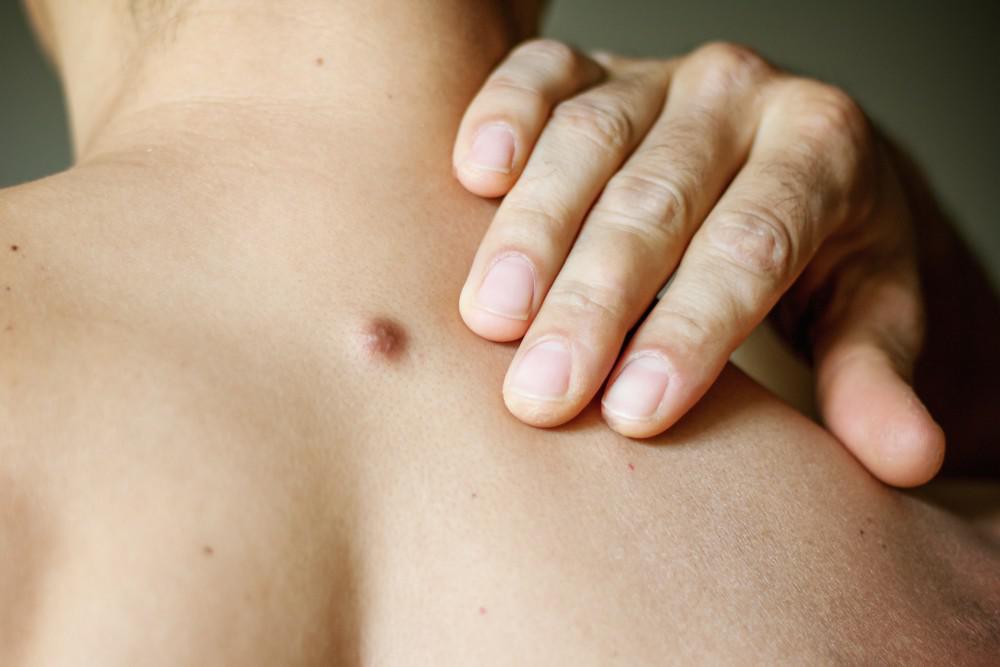
The first signs of melanoma often appear as a change to an existing mole or the development of a new, unusual-looking skin growth. The letters ABCDE can help you determine if you should seek medical care for a potential melanoma:

A is for asymmetry

Examine the moles and blemishes on your body to see what shape they are. Do you notice a mole that is asymmetrical in appearance? Melanoma could look like a mole made up of different irregular shapes.

B is for border

Do you have a mole with an irregularly shaped border? If most of the freckles and spots on your skin appear round, but you notice one that has a jagged edge, for example, that is a sign that it could be melanoma.

C is for color

A third indication of melanoma is the changing or uneven color of a mole or growth on your skin. Melanomas come in a variety of colors, including blue-black, pink, red, or brown. A melanoma may even appear white.

D is for diameter

Moles larger than a quarter-inch in diameter may be signs of melanoma. Don’t ignore the size of a mole. It’s best to get it checked out by one of our expert physicians before it continues to grow deeper into your skin.

E is for evolving

Do you notice a mole that seems to be changing over time? Changes may include color, size, and irritation, such as itching or bleeding.

Preventing melanoma and other skin cancers

While there’s no guaranteed method of completely preventing melanoma and other types of skin cancer, you can take precautions to reduce your risk. These include:

  • Limiting your exposure to UV rays
  • Wearing sunscreen all year long
  • Staying in the shade
  • Wearing a hat and sunglasses
  • Avoiding tanning beds

It’s a good idea to perform self-exams regularly to note any new moles, changes to your skin, and other growths that may indicate the presence of skin cancer.

If you notice anything unusual when watching for the ABCs of melanoma, schedule an exam with the expert team at Hunterdon Hematology Oncology as soon as possible, so we can evaluate your skin, diagnose any problems, and recommend an effective treatment plan. Call our office at 908-264-1798 to book an appointment today.


November 15, 2020 Press

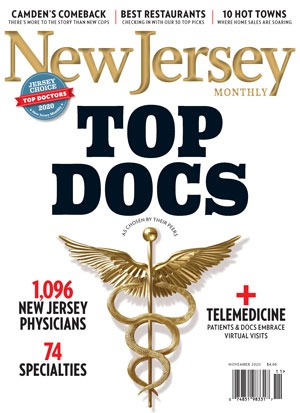
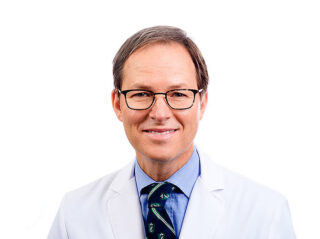
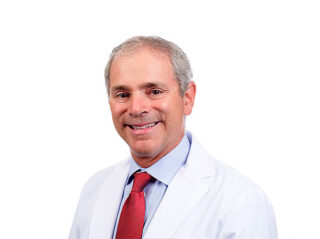
Exceptional care comes from exceptional physicians. Hunterdon Hematology Oncology is proud to share that our own Dr. Kenneth Blankstein and Dr. Myron Bednar have been named Jersey Choice Top Doctors for 2020 by New Jersey Monthly Magazine, affirming their unwavering dedication to excellence in oncology and patient well-being.

Being selected as a Jersey Choice Top Doctor is no ordinary honor. It means these physicians are not only recognized by their peers for their clinical skills but are also admired for their heartfelt commitment to their patients and their community. Read more about their unique approach to patient care in the latest issue of New Jersey Monthly magazine highlighting the Top Doctors for 2020.

At Hunterdon Hematology Oncology, we strive daily to ensure that each patient receives personalized, advanced care from physicians who set the benchmark for medical excellence. Drs. Blankstein and Bednar exemplify this standard, consistently delivering innovative treatments and compassionate care.

We are inspired by their achievements and honored to have them lead our mission to conquer cancer together.

Join us in celebrating their outstanding recognition!

.   


November 5, 2020 Press

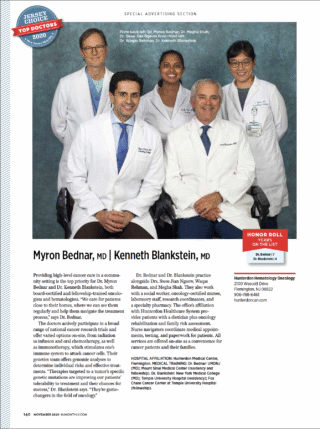
Hunterdon Hematology Oncology (HHO) is excited to honor three of our exceptional physicians—Drs. Myron Bednar, Kenneth B. Blankstein, and Swee Ngeow—who have been recognized as NJ Top Docs for 2021.

Our renowned oncology experts at HHO consistently deliver advanced, personalized cancer treatments with compassion and care. Conveniently located within the Hunterdon Regional Cancer Center in Flemington, NJ, our team provides leading-edge therapies, groundbreaking clinical trials, and comprehensive patient support services.

Discover more about our recognized oncology specialists:

Check out the NJ Top Docs feature for Hunterdon Hematology Oncology in the current issue of Healthy Living Magazine


October 15, 2020 Press

At Hunterdon Hematology Oncology, our mission is simple yet powerful: to bring world-class cancer treatment directly to our community of hunterdon county. Today, we’re proud to announce that two of our dedicated physicians, Dr. Kenneth Blankstein and Dr. Myron Bednar, have been honored as Jersey Choice Top Doctors for 2020 by New Jersey Monthly Magazine.

Why does this matter to you?

This prestigious distinction means that Drs. Blankstein and Bednar have been recognized by their fellow physicians as leading experts trusted to care for their own family members. The selection involves nominations from over 20,000 practicing physicians across New Jersey, followed by a thorough review by an advisory board of previous award winners.

When you choose Hunterdon Hematology Oncology, you’re not just getting advanced treatments; you’re being cared for by physicians nationally recognized for their medical expertise, compassion, and dedication to excellence.

Join us in congratulating Dr. Blankstein and Dr. Bednar. Together, we continue our commitment to exceptional cancer care close to home.


September 15, 2020 Announcements

Hunterdon Hematology Oncology proudly announces that Dr. Kenneth Blankstein and Dr. Myron Bednar have been named Jersey Choice Top Doctors for 2020 by New Jersey Monthly Magazine. This prestigious award underscores their outstanding commitment to excellence and patient care within the community.

The Jersey Choice Top Doctors awards are determined through a rigorous selection process involving a survey of more than 20,000 New Jersey physicians. Doctors across the state nominate peers they would personally trust with their own families’ care. A distinguished advisory panel of previous awardees further evaluates and finalizes the list.

“Our entire team is thrilled and honored by this recognition,” said Dr. Blankstein. “Our mission remains clear: to offer innovative, compassionate cancer care right here at home.”

At Hunterdon Hematology Oncology, patients receive personalized care supported by cutting-edge medical treatments, delivered by physicians recognized as leaders in their field.

Congratulations to Drs. Blankstein and Bednar on this remarkable achievement!

.   


NJTopDocs_stock_4-1200x800.jpeg

September 5, 2020 Announcements

Hunterdon Hematology Oncology (HHO) is proud to announce that Dr. Myron Bednar, Dr. Kenneth B. Blankstein, and Dr. Swee Ngeow have been named NJ Top Docs for 2021. This esteemed recognition emphasizes their extraordinary dedication to exceptional patient care, innovative cancer therapies, and advanced clinical research within our community.

NJ Top Docs conducts an extensive vetting process, highlighting medical professionals who demonstrate outstanding expertise, patient satisfaction, and excellence in healthcare delivery. HHO remains committed to providing cutting-edge oncology care close to home.

Learn more about our honored hematology oncology physicians:


BlogImage_27.png

June 23, 2020 Press

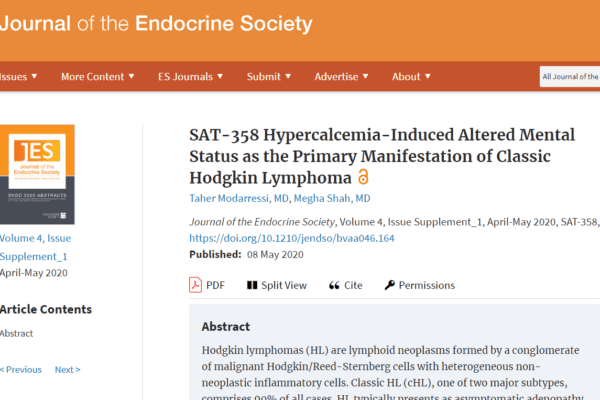
Congratulations Dr. Shah! We are excited to announce that our very own, Dr. Megha Shah, has been published in the Journal Of Endocrine Health. This article contains information regarding the SAT-358 Hypercalcemia-Induced Altered Mental Status as the Primary Manifestation of Classic Hodgkin Lymphoma. If you are interested in learning more, read the article here.


BlogImage_26.jpeg

June 9, 2020 Cancer Treatment

Like many people, you may be concerned about your breast health, and how your wellness affects your family, loved ones and friends. We share your concern. As part of a comprehensive breast program, Hunterdon Hematology Oncology (HHO) combines a comfortable, supportive environment with first-rate, comprehensive diagnostic and treatment resources… all conveniently close to home.

A Coordinated Approach to Breast Care

At HHO, we take a coordinated approach to breast care, for both well care and breast cancer care. A highly skilled team of breast specialists from different medical disciplines provides diagnostic testing, treatment, surgery, psychosocial support, education and rehabilitation. This team also collaborates with family practice physicians, gynecologists, radiologists, oncology specialists, plastic surgeons, pathologists and counselors to ensure that the care you receive is the most comprehensive it can be.

Hunterdon Hematology Oncology, a part of the Hunterdon Regional Cancer Center, is a full-time care partner, providing surgery, reconstruction alternatives, radiation and chemotherapy, support and counseling every step of the way. A full-time, dedicated Nurse Coordinator experienced in breast health issues remains in contact with you, keeping you informed about test results. She serves as liaison if further treatment and evaluation are necessary, coordinating appointments in an expeditious manner. She is there to hold your hand every step of the way.

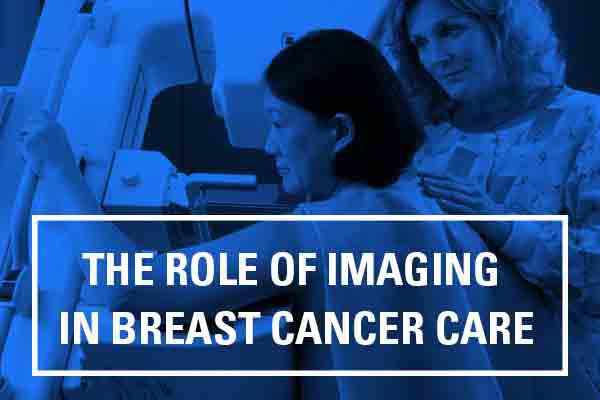
The First Step in Breast Care is Imaging

Before a regimen of care can be formulated, a clear evaluation or diagnosis of the condition of the breast must take place. And this involves imaging – a picture of what is going on within the breast. This can be done at Hunterdon Women’s Imaging.

Breast Imaging Tests

The most commonly used breast imaging tests at this time are mammograms, ultrasound, and breast MRI.

Routine Mammogram

A mammogram is a low-dose x-ray of the breast. It can detect a breast lump nearly two years before it can be felt. A routine mammogram is the main reason most women are referred to the breast program at HHO. Screening mammograms evaluate breast health in women with no symptoms, and are used for those who seek routine breast evaluation. Diagnostic mammograms are used to diagnose breast disease in women with symptoms of a breast problem: dimpling, or a change in texture of the skin of the breast, a lump, or discharge from the nipple.

Digital Mammogram

Digital mammography is the most advanced technology to date for detecting breast cancer. The digital mammography procedure is essentially the same as standard film mammography, but uses a computer and digital image instead of film. Digital mammograms allow the image to be acquired and displayed immediately, reducing the time that the patient must remain still. This expedited process provides the patient with a more convenient and comfortable mammogram. In addition, a digital image can be enhanced and altered to be seen more clearly and to make a more accurate diagnosis. This image manipulation eliminates the need for a woman to repeat her mammogram if the first image is deemed unusable.

Ultrasound

The majority of lumps and abnormalities turn out to be benign, not cancerous. A way to determine if a lump is a benign cyst is to perform another imaging procedure called an ultrasound. Ultrasound works by sending high frequency sound waves into the breast. These sound waves produce a pattern of echoes that are changed into an image of the inside of the breast. Ultrasound is painless and can distinguish between tumors that are solid and those that are filled with fluid (cysts). It can also help radiologists evaluate lumps that can be felt but cannot be easily seen on a mammogram.

Breast MRI

Magnetic resonance imaging (MRI) of the breast — or breast MRI — is a test used to detect breast cancer and other abnormalities in the breast. A breast MRI captures multiple images of your breast. Breast MRI images are combined, using a computer, to create detailed pictures. A breast MRI usually is performed after you have a biopsy that’s positive for cancer and your doctor needs more information about the extent of the disease. For some people, a breast MRI may be used with mammograms as a screening tool for detecting breast cancer. That group of people includes women with a high risk of breast cancer, who have a very strong family history of breast cancer or carry a hereditary breast cancer gene mutation.

Emerging Imaging Techniques

Newer types of tests are now being developed for breast imaging. Some of these, such as breast tomosynthesis (3D mammography), are already being used in some centers. Other tests are still being studied, and it will take time to see if they are as good as or better than those used today.

Molecular breast imaging (MBI), also known as scintimammography or breast-specific gamma imaging (BSGI), is a type of nuclear medicine imaging test for the breast. A radioactive chemical is injected into the blood, and a special camera is used to see into the breast. This test is being studied mainly as a way to follow up breast problems.

Positron emission mammography (PEM) is a newer imaging test of the breast that is very similar to a PET scan. A form of sugar attached to a radioactive particle is injected into the blood to detect cancer cells. A PEM scan may be better able to detect small clusters of cancer cells within the breast.

Contrast-enhanced mammography (CEM), also known as contrast-enhanced spectral mammography (CESM), is a newer test in which a contrast dye containing iodine is injected into a vein a few minutes before two sets of mammograms (using different energy levels) are taken. The contrast can help the x-rays show any abnormal areas in the breasts.

Optical imaging tests pass light into the breast and then measure the light that returns or passes through the tissue. The technique does not use radiation and does not require breast compression. Studies going on now are looking at combining optical imaging with other tests like MRI, ultrasound, or 3D mammography to help look for breast cancer.

Electrical impedance imaging (EIT) scans the breast for electrical conductivity. It’s based on the idea that breast cancer cells conduct electricity differently from normal cells. The test passes a very small electrical current through the breast and then detects it on the skin of the breast.

Elastography is a test that can be done as part of an ultrasound exam. It’s based on the idea that breast cancers tend to be firmer and stiffer than the surrounding breast tissue. For this test, the breast is compressed slightly, and the ultrasound can show how firm a suspicious area is.


BlogImage_25.jpeg

May 27, 2020 Cancer Treatment

If you were recently diagnosed with breast cancer, your head may be swimming and swirling with questions, that all boil down to this: What’s next? The breast cancer care professionals at Hunterdon Hematology Oncology, a part of the Hunterdon Regional Cancer Center, are able to answer that question in a uniquely powerful way. Hunterdon Hematology Oncology has an entire practice focused solely on breast cancer detection, treatment and eradication, and part of that charge will focus on answering your questions and putting your worries to rest.

First, a word about cancer survivability. “What are my chances, doctor? Am I going to survive?” And the answer today is very much more positive that it was 30 or 40 years ago. Today, the overall survivability rate for breast cancer is in the neighborhood of 70%. Scientific research and early detection techniques are improving the overall trends of both survival rate and quality of life, particularly for breast cancer.

Second, a few words about the treatment process for breast cancer. You may be confused about what you should do next, but the actual treatment process for breast cancer has a certain regularity about it: it usually requires radiation treatment or hormone treatment to shrink the size of the tumor, or chemotherapy, and/or surgery or some combination of these treatment modalities. It depends on the biology of the breast cancer tumor and varies by stage (I – IV).

A little more about cancer staging: Cancer treatment depends on the stage (severity of the tumor). Clinical stage is based initially on mammogram imaging and ultrasound imaging of the suspected tumor. Pathological staging is determined after surgery; after the tumor has been removed and a sample of lymph node tissue is taken. The cancer’s stage is based on the size of the tumor, and whether the lymph node is involved in (affected by) the cancer, as well as the grade of the tumor.

You also might be wondering whether it would be worth it to go to one of those national treatment centers that advertise on TV. The answer is no. Research data indicate no difference in outcomes between national and local cancer centers. First of all, the therapeutic approach for treating breast cancer is standardized across the entire country. Second, HHO specializes in the treatment of breast cancer. HHO has a team of excellent breast surgeons who are dedicated to treating only breast cancer patients. Patients at HHO are assigned a Nurse Navigator who helps the patient coordinate care, navigate the entire process and answer any questions the patient might have.

Also, getting treated locally at HHO has certain advantages over going to one of these large national centers. While getting the exact same level of care and specialization found at a national center, HHO provides a level of personalized attention and care that is difficult to find at a larger center. Being local means that if any issues arise, if you need to come back to the hospital, we are right here and can see you immediately. We offer genetics counseling, and you can come in and out to see him/her very easily. If you need to come in to get a blood count checked, we are right here. Need extra hydration? Ditto. Feeling extra-nauseous? Come on in. We also offer an oncology-certified dietician, with whom you can arrange a visit pretty much any time you want.

And finally, there are actually certain disadvantages to using a large national cancer center. If anything detrimental were to take place, a patient using a large national center might find themselves needing to go to a local ER, and there will be nobody there who is familiar with the patient’s case or will understand what is going on. This can actually be detrimental to their care.

To learn more about Hunterdon Hematology Oncology’s cancer care treatment center NJ visit our breast cancer care page.


BlogImage_24.png

March 30, 2020 Announcements

Thank you for your continued support and understanding during this unprecedented time. While we maintain our commitment and dedication to patients and caregivers, we also continue our efforts to optimize the health and safety of our staff, providers, and patients. As such, we are pleased to announce the introduction of more comprehensive telemedicine visits through OttoHealth that will allow us to continue caring for you from your own homes.

When appropriate, patients can be scheduled for a virtual visit (which will include video) with a designated provider as early as this week. Visit notifications will be sent directly to your email or via text message and will include login instructions.

More information on the login process can be obtained at the OttoHealth Patient Resources page.

Please let us know if there are any concerns or questions regarding telemedicine or your care in general. For more information about our response to COVID-19, click here


About HHO


Hunterdon Hematology Oncology is a community oncology group, dedicated to fighting cancer in this community and across the region. Our Doctors, Physician’s Assistants and Nurses work tirelessly. They fight hard so that you can win.


Subscribe


Sign up for the HHO newsletter to stay up to date on the latest news within the practice and the community.


    © HHO 2026. All rights reserved.